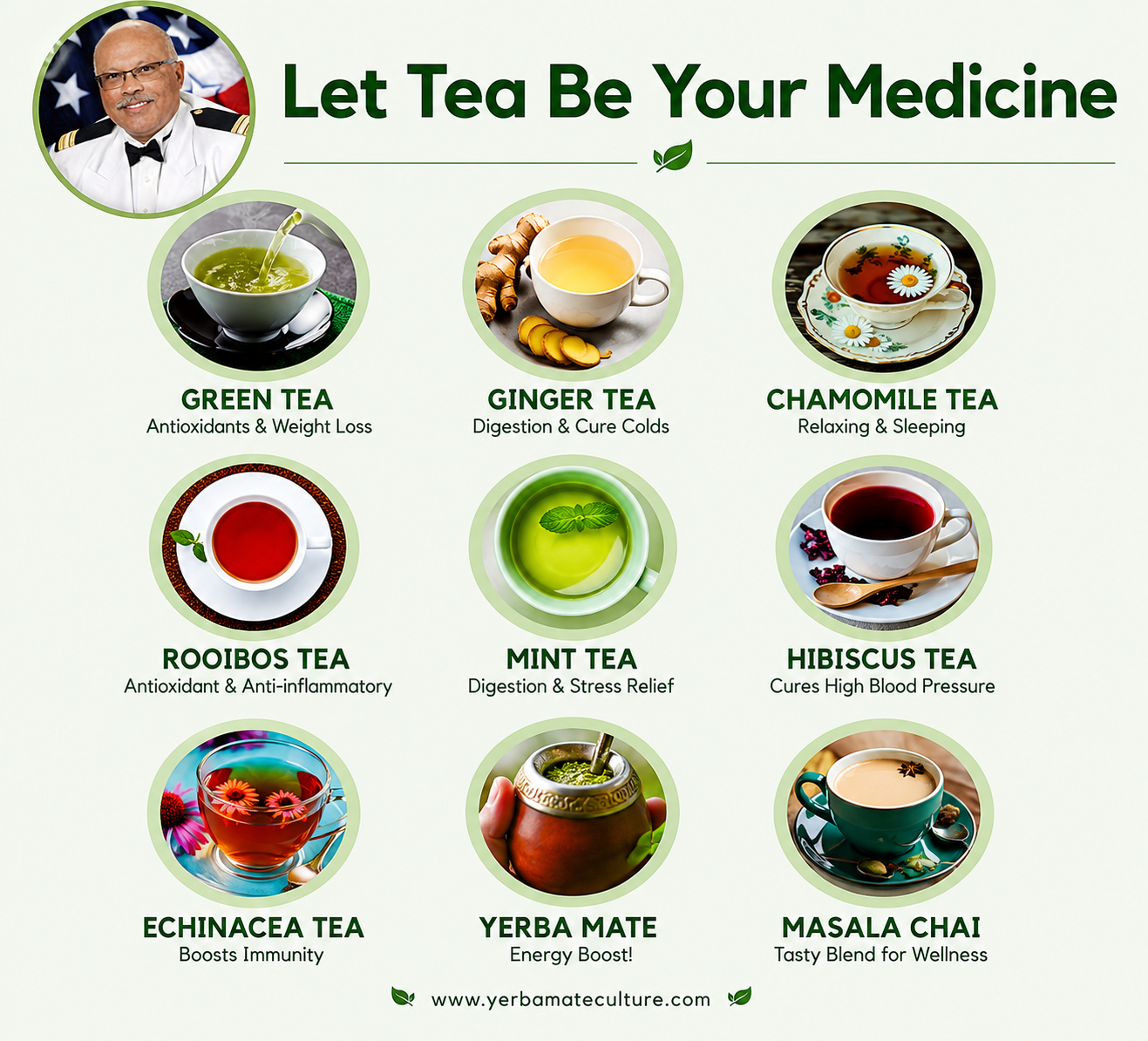
Medicinal Properties of Teas

A Complete Professional Guide to the World's Most Beneficial Teas & Herbal Infusions — including their health benefits, growing regions, brewing techniques, hospitality applications, and fascinating history.

Medicinal Properties of Teas - Herbal & Medicinal Tea Guide

Tea — Nature's Oldest Wellness Beverage

Long before pharmacies, dietary supplements, and modern nutritional science, people relied on plants for healing. Across Asia, Africa, Europe, and the Middle East, tea became one of humanity's most trusted natural remedies. Whether prepared from the leaves of the tea plant (Camellia sinensis) or from herbs, flowers, roots, bark, fruits, and spices, tea has been enjoyed for thousands of years for both its comforting flavour and its medicinal properties.

Today, millions of cups of tea are consumed every hour around the world. Scientific research continues to validate many traditional beliefs regarding tea's ability to support heart health, improve digestion, strengthen immunity, reduce inflammation, promote relaxation, and provide powerful antioxidant protection against cellular damage.

For hospitality professionals, understanding tea is no longer optional. Premium hotels, luxury resorts, cafés, restaurants, cruise ships, wellness retreats, and specialty tea lounges increasingly feature extensive tea menus that rival their wine and coffee offerings. Guests now expect knowledgeable recommendations, proper brewing techniques, and premium tea service that enhances their dining experience.

What You Will Learn

  • The difference between true teas and herbal infusions.
  • The medicinal properties of more than a dozen popular teas.
  • Where the world's finest teas are grown.
  • The active compounds responsible for health benefits.
  • Correct brewing temperatures and steeping times.
  • Tea service standards used in professional hospitality.
  • Interesting facts, traditions, and historical insights.
  • Safety considerations and recommended consumption.

Whether you are a hospitality student, restaurant manager, hotel executive, chef, café owner, food and beverage professional, or simply someone interested in healthy living, this comprehensive guide will help you understand why tea continues to be one of the world's most respected natural beverages.

Why Tea Has Been Used as Medicine for Thousands of Years

The earliest documented use of tea dates back more than 4,000 years in China, where Emperor Shen Nong is traditionally credited with discovering tea after leaves accidentally drifted into boiling water. Although the story is legendary, it reflects tea's ancient association with wellness and longevity.

Traditional Chinese Medicine, Ayurveda in India, Japanese wellness practices, and numerous indigenous healing systems have long regarded tea as an important part of preventive healthcare. Different herbs and tea varieties were selected to aid digestion, reduce fever, calm the mind, improve circulation, relieve fatigue, and support the body's natural healing processes.

Modern nutritional science has identified many of the naturally occurring compounds responsible for these benefits, including polyphenols, catechins, flavonoids, tannins, essential oils, vitamins, minerals, amino acids, and plant antioxidants.

Hospitality Insight

Today's luxury hotels increasingly offer wellness tea menus featuring herbal, green, white, detox, sleep, digestive, and immunity-support blends. Knowledge of tea has become an important skill for restaurant managers, food & beverage professionals, baristas, and service associates seeking to deliver an exceptional guest experience.

Table of Contents

Tea vs Herbal Infusions

Many people use the word "tea" for every hot herbal beverage, but technically that is not correct.

A true tea is produced from the leaves of one remarkable plant called Camellia sinensis. Depending on how the leaves are processed, the same plant produces Green Tea, Black Tea, White Tea, Oolong Tea, Yellow Tea and Pu-erh Tea.

Herbal beverages such as Chamomile, Peppermint, Ginger, Hibiscus, Tulsi, Rooibos and Lemongrass are technically known as tisanes or herbal infusions because they are made from flowers, herbs, spices, bark, roots or fruits instead of tea leaves.

Did You Know?

Although herbal infusions are not technically "tea", the hospitality industry and consumers commonly refer to them as herbal teas. Most hotel tea menus, cafés and restaurants therefore use the familiar term "Herbal Tea" for guest convenience.

Medicinal Compounds Found in Tea

Tea contains hundreds of naturally occurring compounds that contribute to its reputation as one of the world's healthiest beverages. These compounds work together to support wellness in many different ways.

Compound Primary Benefit
Polyphenols Powerful antioxidants that help protect body cells.
Catechins Support heart health and healthy metabolism.
Flavonoids Help reduce oxidative stress and inflammation.
L-Theanine Promotes calmness while maintaining alertness.
Caffeine Improves concentration and reduces fatigue.
Essential Oils Provide aroma and digestive benefits in herbal teas.
Vitamins & Minerals Support overall health and immune function.

The concentration of these beneficial compounds depends on factors such as plant variety, soil quality, altitude, climate, harvesting season, processing method and brewing technique.

Green Tea

Green tea is one of the least processed forms of tea, allowing it to retain a high concentration of natural antioxidants. It has been consumed in China and Japan for thousands of years and remains one of the most researched beverages in modern nutrition.

Main Growing Regions

  • China
  • Japan
  • South Korea
  • Taiwan
  • Vietnam
  • India (Darjeeling & Nilgiris)
  • Sri Lanka

Health Benefits

  • Rich source of EGCG antioxidants.
  • Supports cardiovascular health.
  • May assist healthy weight management.
  • Supports brain function and concentration.
  • May help reduce inflammation.
  • Provides natural energy without excessive stimulation.
  • Supports healthy ageing.

Best Brewing Temperature

70–80°C for approximately 2–3 minutes. Using boiling water may create excessive bitterness.

Hospitality Service Tip

Always serve premium green tea in pre-warmed porcelain cups or glass teaware. Avoid boiling water and never leave tea bags steeping too long, as this negatively affects flavour and guest satisfaction.

Black Tea

Black tea is the world's most widely consumed tea and is fully oxidised, giving it a rich amber colour, bold flavour and characteristic aroma. It is the preferred breakfast tea in many countries and forms the base of famous blends such as English Breakfast and Earl Grey.

Main Growing Regions

  • India (Assam, Darjeeling, Nilgiris)
  • Sri Lanka (Ceylon)
  • Kenya
  • China
  • Nepal
  • Indonesia
  • Vietnam

Medicinal Benefits

  • Rich in theaflavins and thearubigins.
  • Supports cardiovascular health.
  • May improve focus and mental alertness.
  • Contains natural antioxidants.
  • Supports digestive wellness.
  • May contribute to healthy cholesterol levels.

Brewing Guide

95–100°C
Steep for 3–5 minutes.

Interesting Fact

Over 75% of the tea consumed in the Western world is black tea.

White Tea

White tea is produced using the youngest unopened tea buds and delicate young leaves. It undergoes minimal processing, making it one of the most naturally preserved teas available.

Main Growing Regions

  • Fujian Province, China
  • Yunnan, China
  • Nepal
  • Sri Lanka
  • India

Health Benefits

  • Very high antioxidant content.
  • Supports healthy skin.
  • May slow cellular ageing.
  • Contains low caffeine.
  • Supports immune health.
  • Gentle flavour suitable for frequent consumption.

Brewing Guide

75–80°C
Steep for 4–5 minutes.

Hospitality Tip

Serve white tea in clear glass teaware whenever possible so guests can appreciate its pale golden colour.

Oolong Tea

Oolong tea sits between green and black tea because it is only partially oxidised. Depending on processing, flavours range from floral and delicate to rich and roasted.

Main Growing Regions

  • Taiwan
  • Fujian, China
  • Guangdong, China
  • Thailand

Health Benefits

  • Supports healthy metabolism.
  • Rich in antioxidants.
  • May assist weight management.
  • Supports digestive health.
  • May contribute to healthy blood sugar levels.

Brewing Guide

85–90°C
Steep for 3–5 minutes.

Matcha Tea

Matcha is a finely ground powdered green tea traditionally used in the Japanese tea ceremony. Because the whole leaf is consumed, matcha provides significantly more nutrients than ordinary green tea.

Main Growing Regions

  • Kyoto, Japan
  • Shizuoka, Japan
  • Kagoshima, Japan

Health Benefits

  • Extremely rich in EGCG antioxidants.
  • Improves sustained energy.
  • Enhances concentration.
  • Promotes calm alertness through L-theanine.
  • Supports healthy metabolism.
  • May reduce oxidative stress.

Preparation

Use water at approximately 75–80°C. Whisk with a bamboo whisk until a fine layer of foam develops.

Interesting Fact

One serving of ceremonial-grade matcha may provide antioxidant levels many times higher than an equivalent serving of standard brewed green tea.

Chamomile Tea

Chamomile tea is prepared from the dried flowers of the chamomile plant and has been used in traditional European and Middle Eastern medicine for centuries. It is best known for promoting relaxation and improving sleep.

Main Growing Regions

  • Germany
  • Egypt
  • Hungary
  • Croatia
  • Poland
  • India

Health Benefits

  • Promotes restful sleep.
  • May reduce anxiety and stress.
  • Supports digestive health.
  • May ease stomach discomfort.
  • Contains natural anti-inflammatory compounds.
  • Traditionally used for mild headaches.

Brewing Guide

95°C
Steep for 5 minutes.

Hospitality Tip

Chamomile is one of the most requested bedtime beverages in luxury hotels. Serve with honey and a fresh lemon slice on the side.

Peppermint Tea

Peppermint tea is naturally caffeine-free and famous for its refreshing aroma and digestive benefits. The menthol found in peppermint creates its cooling sensation.

Main Growing Regions

  • United States
  • India
  • United Kingdom
  • Morocco
  • Egypt

Health Benefits

  • Supports digestion.
  • Helps reduce bloating.
  • Freshens breath naturally.
  • May relieve mild headaches.
  • Can soothe sore throats.
  • Refreshing after meals.

Brewing Guide

95°C
Steep for 5–7 minutes.

Ginger Tea

Prepared from fresh or dried ginger root, ginger tea has been valued in Ayurveda and Traditional Chinese Medicine for thousands of years.

Main Growing Regions

  • India
  • China
  • Nigeria
  • Indonesia
  • Thailand

Health Benefits

  • Supports healthy digestion.
  • May reduce nausea.
  • Natural anti-inflammatory properties.
  • Supports immune health.
  • Provides warmth during cold weather.
  • Traditionally used for sore throats.

Brewing Guide

Fresh sliced ginger.
Boiling water.
Steep for 10 minutes.

Interesting Fact

Fresh ginger contains gingerol, one of nature's best-known bioactive plant compounds.

Hibiscus Tea

Made from dried hibiscus flowers, this vibrant ruby-red beverage is naturally caffeine-free and popular throughout Africa, the Caribbean, Mexico and the Middle East.

Main Growing Regions

  • Egypt
  • Sudan
  • Mexico
  • Thailand
  • India

Health Benefits

  • Rich in Vitamin C.
  • Powerful antioxidant source.
  • May support healthy blood pressure.
  • Refreshing served hot or cold.
  • Supports hydration.

Brewing Guide

95°C
Steep for 5–7 minutes.

Rooibos Tea

Rooibos originates exclusively from South Africa and is naturally caffeine-free. Its smooth flavour makes it an excellent evening beverage.

Main Growing Region

  • Cederberg Mountains, South Africa

Health Benefits

  • Rich in antioxidants.
  • Caffeine free.
  • Supports heart health.
  • Suitable for children.
  • Low in tannins.
  • May support healthy skin.

Brewing Guide

100°C
Steep for 5–7 minutes.

Lemongrass Tea

Lemongrass tea has a fresh citrus aroma and is widely consumed throughout South-East Asia as both a wellness beverage and culinary ingredient.

Main Growing Regions

  • Thailand
  • Vietnam
  • India
  • Sri Lanka
  • Malaysia

Health Benefits

  • Supports digestion.
  • Refreshing citrus flavour.
  • Contains antioxidants.
  • May reduce bloating.
  • Popular after meals.

Tulsi (Holy Basil)

Tulsi is one of the most respected medicinal herbs in Ayurveda and is often called the "Queen of Herbs." It is consumed daily by millions of people in India.

Main Growing Regions

  • India
  • Nepal
  • Sri Lanka
  • Bangladesh
  • Thailand

Health Benefits

  • Supports immunity.
  • May reduce stress.
  • Natural adaptogen.
  • Supports respiratory wellness.
  • Rich in antioxidants.
  • Traditionally used for colds.

Brewing Guide

95°C
Steep for 5 minutes.

Turmeric Tea

Turmeric tea is prepared from the bright golden rhizome of Curcuma longa. For thousands of years it has played an important role in Ayurvedic medicine, where it has traditionally been used to support overall health and wellbeing. Today, turmeric has become one of the world's most researched medicinal spices.

Main Growing Regions

  • India (largest producer)
  • Bangladesh
  • Sri Lanka
  • Indonesia
  • Thailand
  • Myanmar

Active Compound

Curcumin is the primary bioactive compound responsible for turmeric's vibrant colour and many of its potential health-supporting properties.

Health Benefits

  • Natural antioxidant.
  • Supports healthy inflammatory response.
  • May support joint mobility.
  • Supports immune function.
  • Traditionally used in digestive wellness.
  • Often enjoyed during seasonal changes.

Brewing Guide

Use freshly sliced turmeric or quality dried turmeric.

Steep in gently boiling water for approximately 10 minutes. Many people add black pepper and honey.

Hospitality Tip

Golden Turmeric Latte has become a popular wellness beverage in cafés, boutique hotels and wellness resorts around the world.

Echinacea Tea

Echinacea is a flowering herb native to North America. It has traditionally been used by Indigenous peoples and later became one of the best-known herbal wellness beverages in Europe and North America.

Main Growing Regions

  • United States
  • Canada
  • Germany
  • Poland

Health Benefits

  • Supports immune health.
  • Rich in plant antioxidants.
  • Popular during seasonal weather changes.
  • Supports overall wellness.

Brewing Guide

95°C water
Steep for approximately 5–7 minutes.

Lavender Tea

Lavender tea is recognised for its beautiful floral aroma and relaxing character. It has long been enjoyed throughout Europe as an evening beverage.

Main Growing Regions

  • France
  • England
  • Bulgaria
  • Spain
  • Australia

Health Benefits

  • Promotes relaxation.
  • May support healthy sleep.
  • Helps create a calming atmosphere.
  • Contains natural aromatic oils.

Dandelion Tea

Prepared from roasted roots or leaves, dandelion tea has been consumed in many traditional herbal practices throughout Europe and Asia.

Main Growing Regions

  • Europe
  • North America
  • China
  • India

Health Benefits

  • Traditionally enjoyed as a digestive beverage.
  • Contains naturally occurring antioxidants.
  • Caffeine free.
  • Earthy roasted flavour.

Sage Tea

Sage has been cultivated around the Mediterranean for centuries and is widely used as both a culinary herb and herbal infusion.

Main Growing Regions

  • Italy
  • Greece
  • Turkey
  • Croatia
  • Spain

Health Benefits

  • Traditionally used for sore throats.
  • Supports oral wellness.
  • Contains natural antioxidants.
  • Refreshing herbal flavour.

Major Tea Growing Regions of the World

Tea is cultivated across tropical and subtropical regions where altitude, rainfall, temperature and soil combine to produce distinctive flavour profiles.

Country Famous Tea Notable Region
China Green, White, Oolong Fujian, Zhejiang, Yunnan
India Assam, Darjeeling, Nilgiri Assam, West Bengal, Tamil Nadu
Sri Lanka Ceylon Tea Nuwara Eliya, Kandy
Japan Matcha, Sencha Kyoto, Shizuoka
Kenya Black Tea Kericho Highlands
Taiwan Premium Oolong Alishan
South Africa Rooibos Cederberg Mountains
Vietnam Green Tea Northern Highlands

Professional Hospitality Note

Premium hotels increasingly highlight the origin of their teas in the same way they present coffee origins and wine regions. Guests appreciate knowing whether their tea comes from Darjeeling, Assam, Kyoto, Fujian or the Cederberg Mountains.

Professional Tea Brewing Guide

One of the most common mistakes in restaurants, cafés and hotels is preparing every tea using boiling water. Different teas require different temperatures to preserve flavour, aroma and beneficial plant compounds.

Tea Temperature Steeping Time
White Tea 75–80°C 4–5 min
Green Tea 70–80°C 2–3 min
Matcha 75–80°C Whisk Immediately
Oolong 85–90°C 3–5 min
Black Tea 95–100°C 3–5 min
Herbal Teas 95–100°C 5–7 min

Professional Service Standard

Always warm the teapot before brewing, use freshly drawn filtered water, measure tea accurately, and serve with a timer whenever possible. These small details significantly improve guest satisfaction.

Tea Service in Hotels & Restaurants

Tea has evolved from being a simple beverage into an important part of the guest experience. Premium hotels often dedicate entire menus to specialty teas, while cafés build seasonal beverage promotions around herbal infusions and wellness drinks.

Professional Service Standards

  • Serve tea in warmed teapots.
  • Use filtered water whenever possible.
  • Offer honey, lemon and milk separately.
  • Present loose-leaf teas attractively.
  • Provide brewing instructions for specialty teas.
  • Replace tea bags after steeping if requested.
  • Use quality porcelain or glassware.
  • Never over-steep delicate teas.

Hotel Manager's Note

Afternoon Tea remains one of the highest-margin food and beverage experiences in luxury hospitality. Well-trained associates who understand tea varieties, brewing methods and guest preferences can significantly enhance both service quality and revenue.

Interesting Facts About Tea

  • Tea is the second most consumed beverage in the world after water.
  • All traditional teas come from one plant: Camellia sinensis.
  • China is recognised as the birthplace of tea.
  • India is among the world's largest tea producers and consumers.
  • Sri Lanka's Ceylon Tea is internationally renowned for quality.
  • Japan elevated tea into a formal cultural ceremony.
  • Rooibos grows naturally only in South Africa.
  • Matcha uses the entire powdered tea leaf rather than an infusion.
  • Darjeeling Tea is often referred to as the "Champagne of Teas."
  • Thousands of tea varieties are produced worldwide.

Tea Safety & Precautions

Although tea is considered one of the world's healthiest beverages, it should still be consumed responsibly.

  • Excess caffeine may affect sensitive individuals.
  • Pregnant women should seek medical advice regarding herbal teas.
  • Some herbs may interact with prescription medications.
  • Very hot beverages may increase the risk of burns.
  • Choose reputable suppliers to ensure product quality.

Important Reminder

Tea should complement a healthy lifestyle and is not a substitute for professional medical diagnosis, treatment or advice.

Frequently Asked Questions

1. Which tea contains the highest level of antioxidants?

Matcha is generally considered one of the richest sources of antioxidants because the entire tea leaf is consumed rather than simply infused.

2. Which tea is best before bedtime?

Chamomile and Lavender tea are popular caffeine-free evening beverages that many people enjoy as part of a relaxing bedtime routine.

3. Is Green Tea healthier than Black Tea?

Both offer valuable antioxidants. Green tea retains more catechins due to minimal processing, while black tea develops theaflavins and thearubigins during oxidation. Each has its own nutritional strengths.

4. What is the healthiest way to drink tea?

Drink freshly brewed tea with minimal added sugar. Brewing at the correct temperature helps preserve flavour and beneficial plant compounds.

5. Why should Green Tea not be brewed with boiling water?

Boiling water can extract excessive tannins, creating bitterness and masking the tea's delicate flavours.

6. Which tea contains no caffeine?

Chamomile, Rooibos, Peppermint, Hibiscus, Lavender, Lemongrass and most herbal infusions are naturally caffeine free.

7. Which country produces the most tea?

China is the world's largest tea producer, followed by India, Kenya, Sri Lanka and Turkey.

8. Can tea be served cold?

Yes. Green Tea, Hibiscus Tea, Black Tea and many herbal infusions make excellent iced beverages.

Conclusion

Tea is far more than a comforting beverage. Across centuries and cultures, it has become an important part of traditional wellness, hospitality, social customs and culinary excellence. Whether enjoyed for relaxation, refreshment or its naturally occurring antioxidants, tea continues to be one of the world's most respected drinks.

For hospitality professionals, understanding tea is an essential skill. Guests increasingly expect knowledgeable recommendations, proper brewing techniques and premium service. A well-curated tea programme enhances the guest experience, complements menus and reinforces a property's commitment to quality.

From the mist-covered gardens of Darjeeling and the rolling estates of Sri Lanka to the tea mountains of China and the Rooibos fields of South Africa, every cup tells a story of geography, tradition and craftsmanship.

Professional Takeaway

Great hospitality is built on knowledge, consistency and attention to detail. Mastering tea service is another way hospitality professionals can deliver memorable guest experiences while showcasing product expertise.

Continue Your Hospitality Learning

#Tea #GreenTea #HerbalTea #Hospitality #FoodAndBeverage #Wellness #RestaurantManagement #HotelManagement #NigelThomas